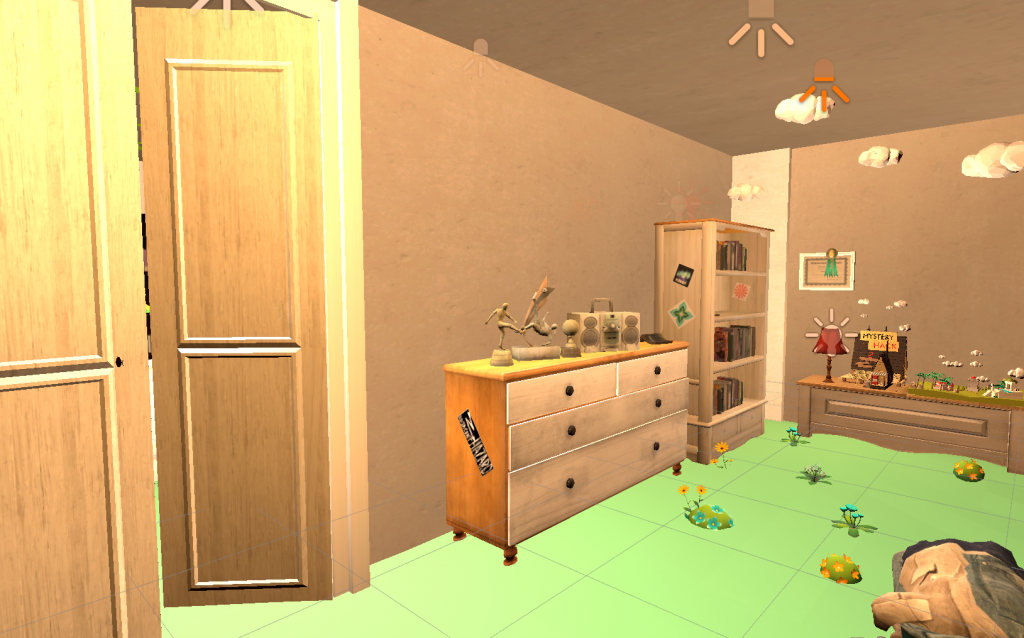
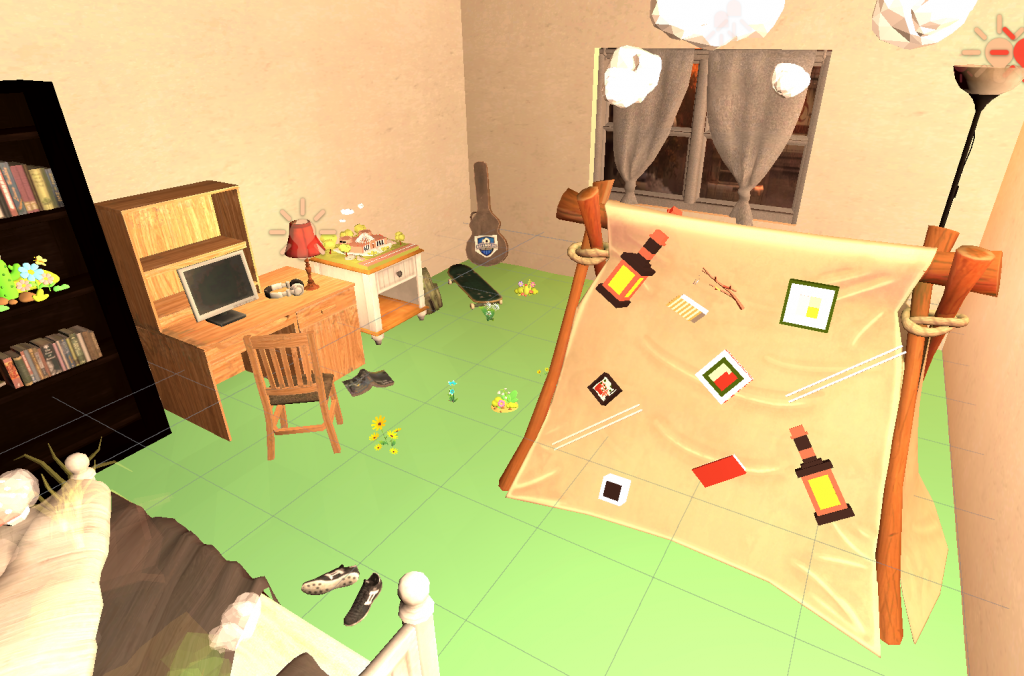
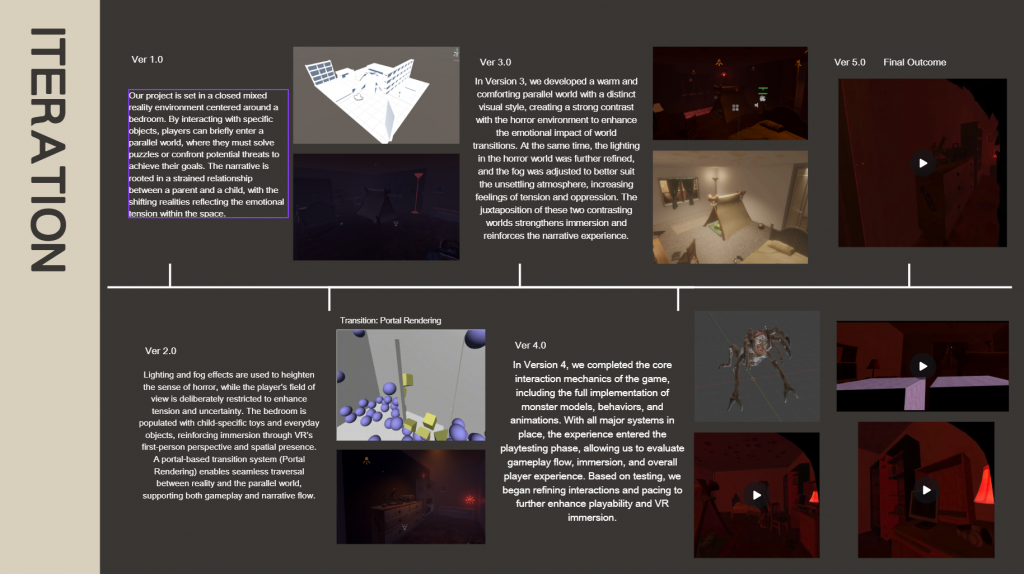
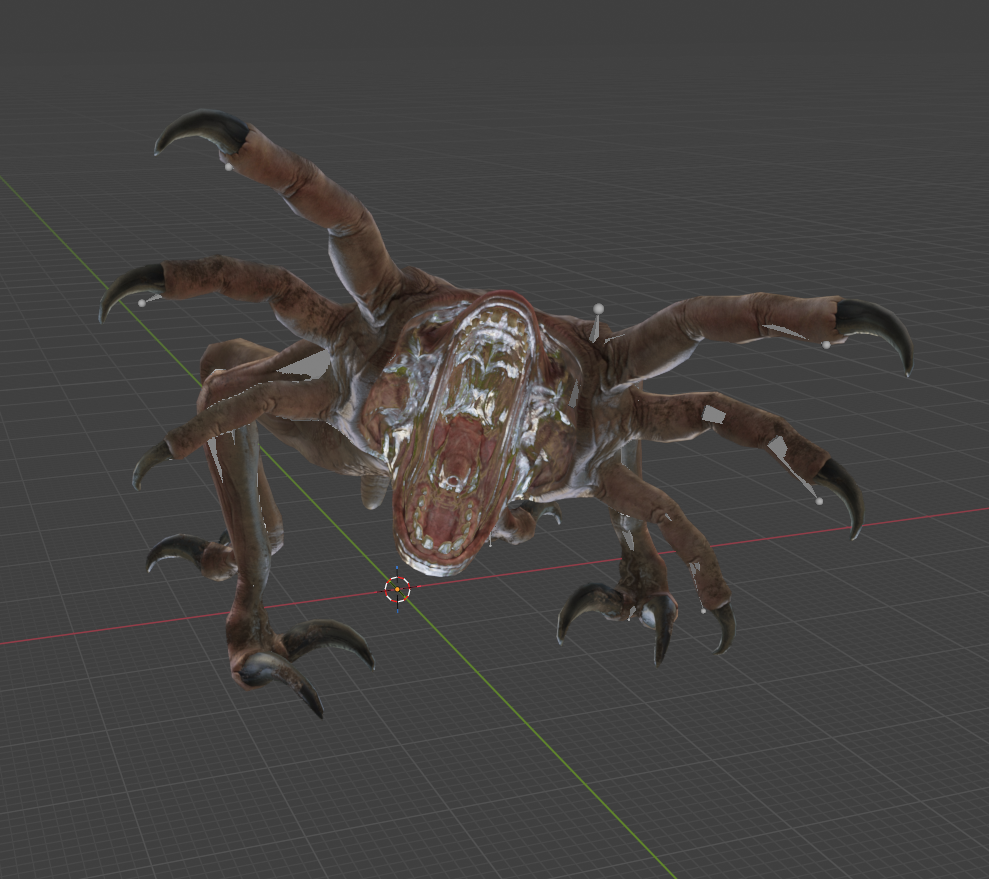
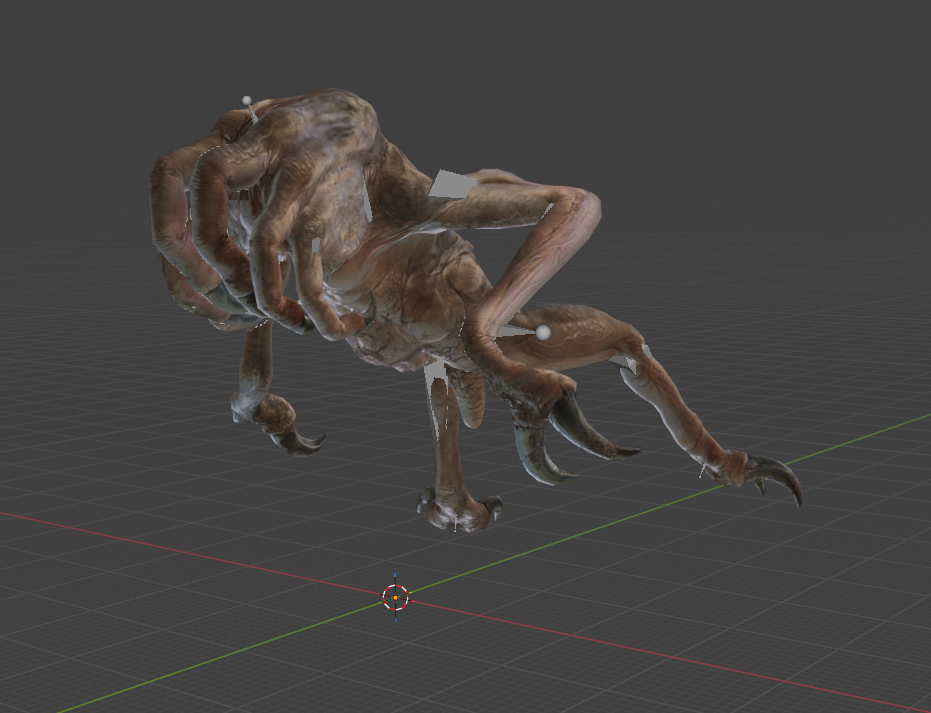
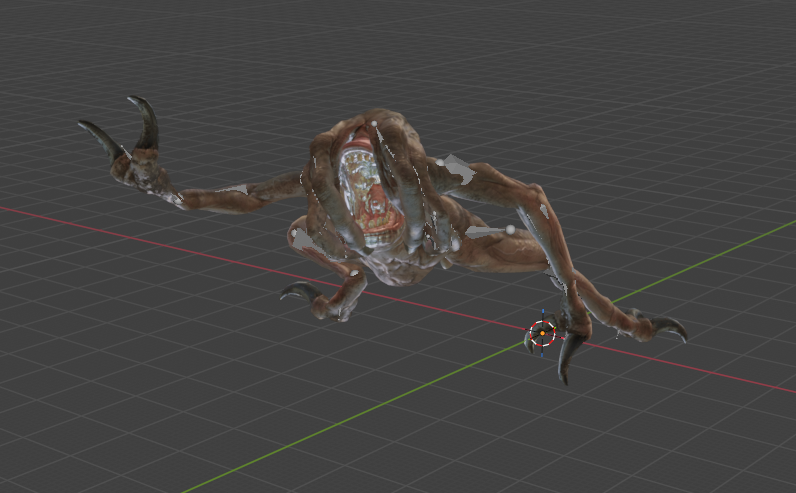
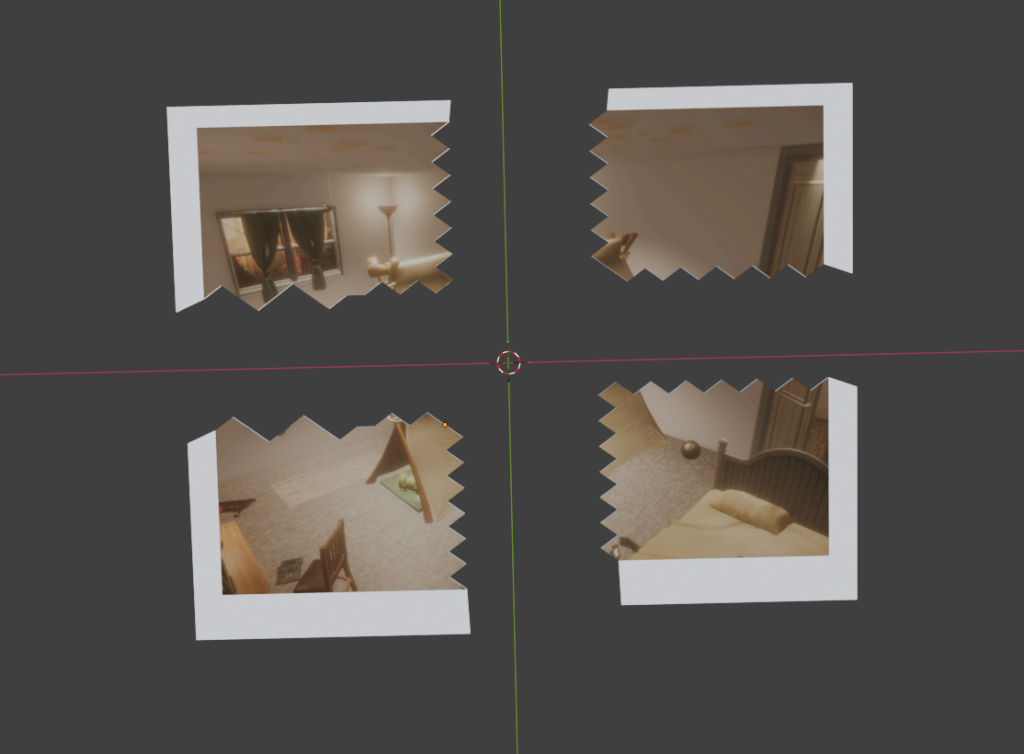
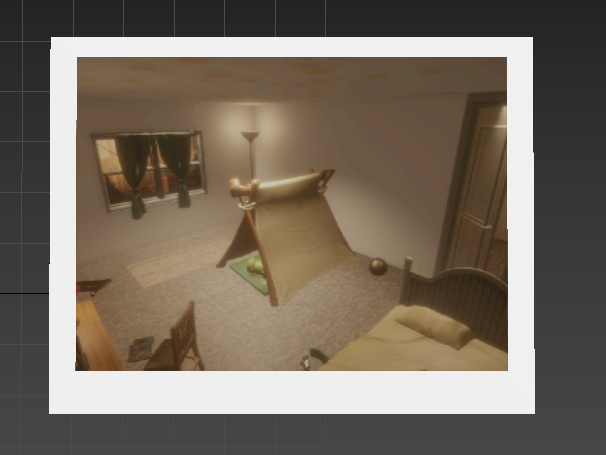
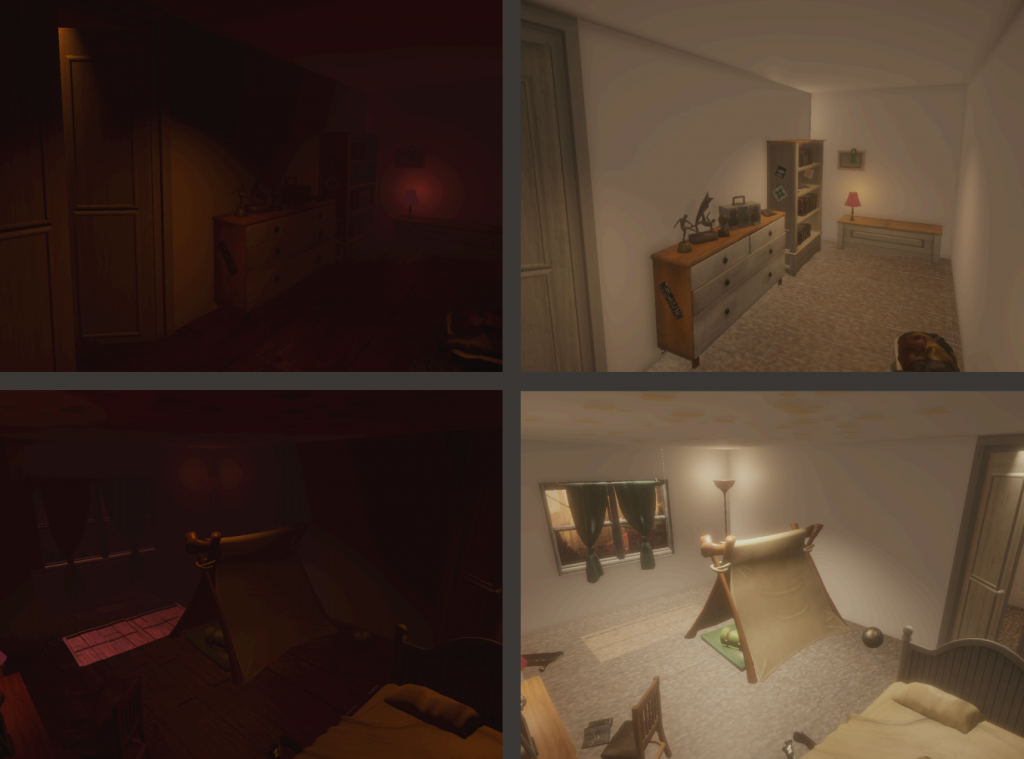
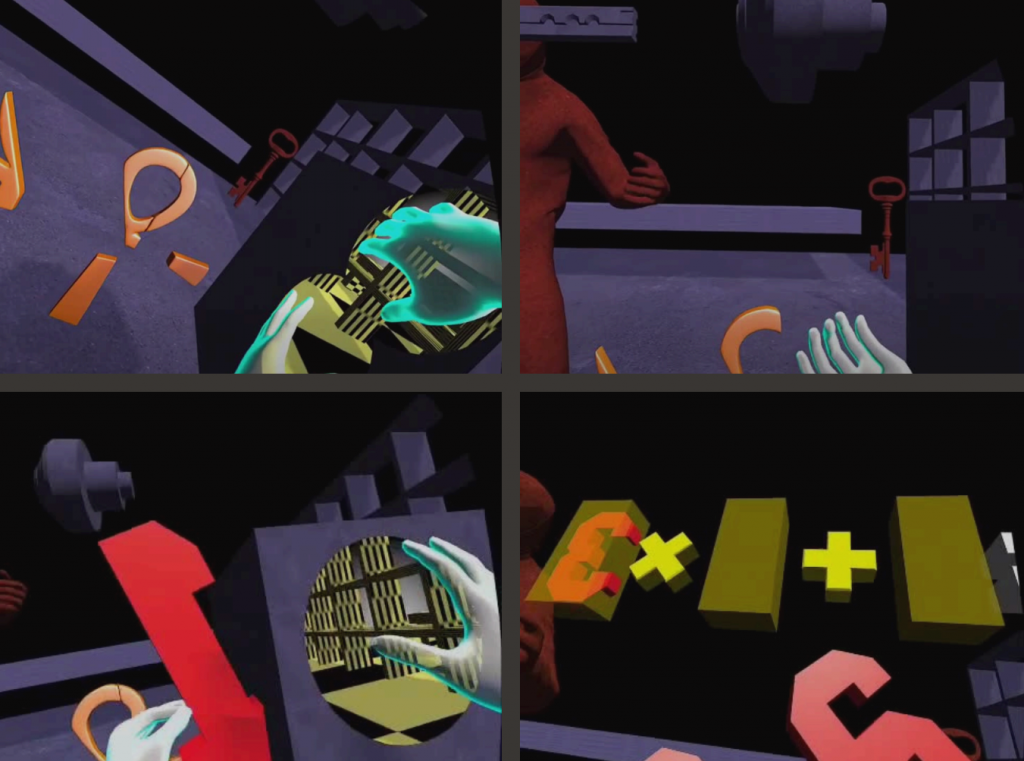
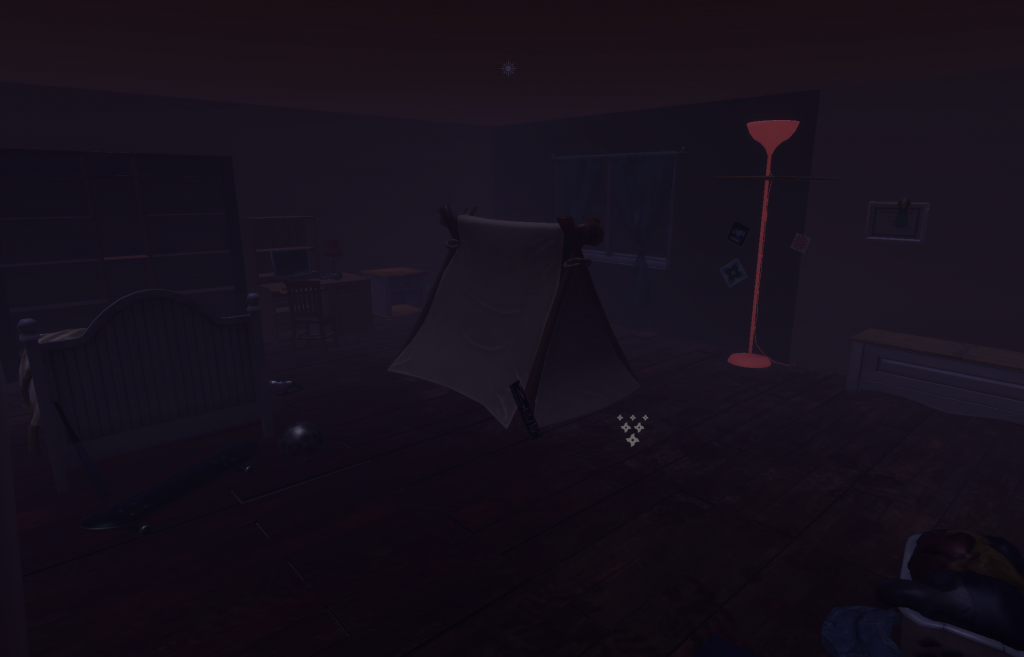
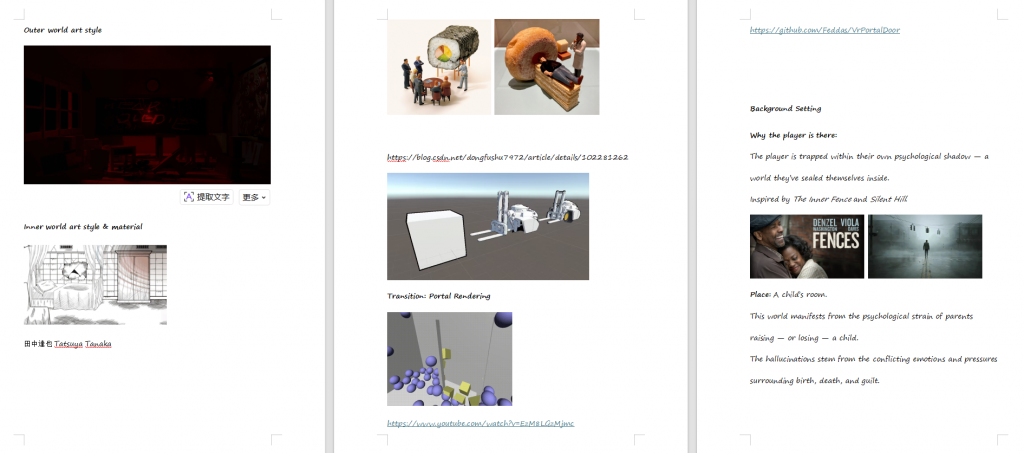
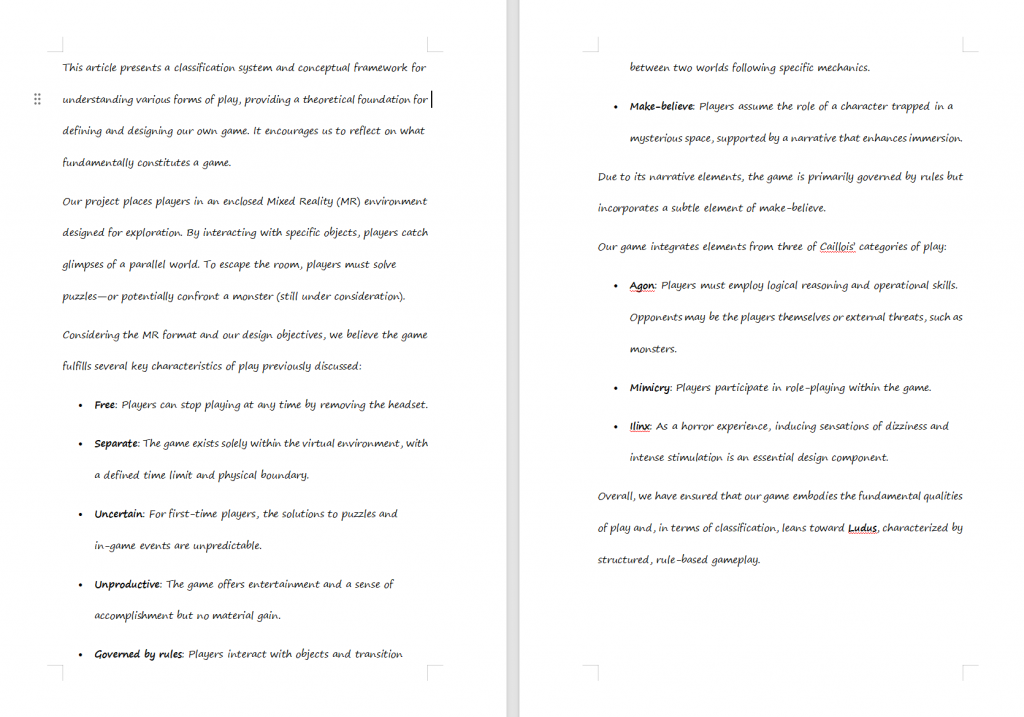
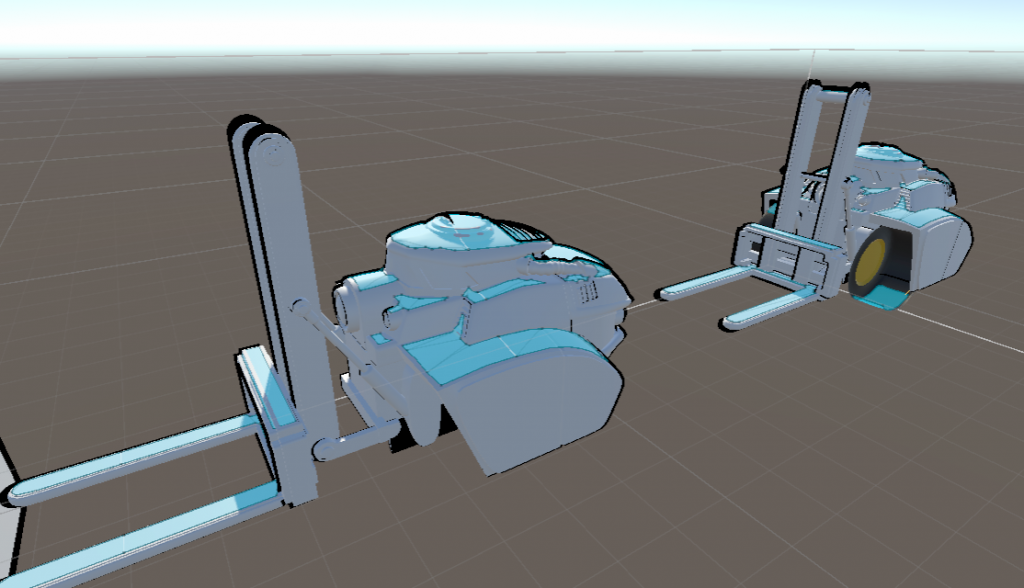
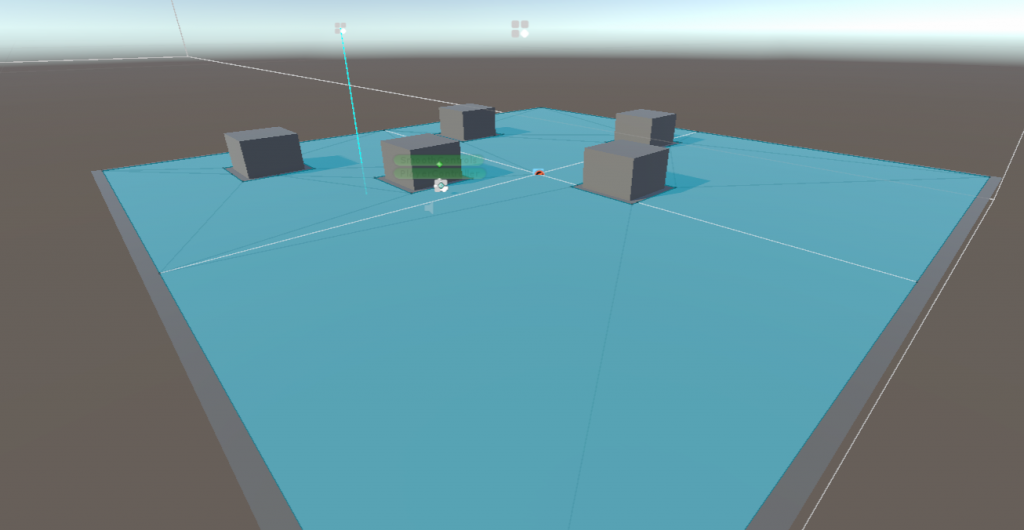
This week, we refined our art style and delivered our presentation. During the presentation, we identified many issues in our project that need improvement, and we plan to address them in the next stage. One small mistake was that we didn’t include our initial whitebox or the development process in the presentation, which we see as a learning point for future work.
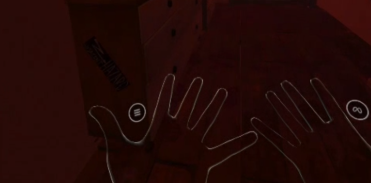
This week, we visited the postgraduate VR graduation showcase. One project that really attracted me was a game that worked in the space without relying on controllers (although I didn’t get to meet the creator). Inspired by this, our team decided to use hand tracking instead of controllers in our own game, as we believe this will make our horror game feel more immersive and intense. There was also a VR film about raising a cat, which I found very interesting. It had apparently won an award, and I had a long conversation with the creator, which gave me a lot of inspiration.
This week, I completed the “idle” scenes for two different worlds, creating a strong sense of contrast between them through differences in lighting, color, and atmosphere. I also began developing the art assets for in-game props, ensuring that their visual style and functionality are more closely aligned with the overall tone and concept of our game. These improvements help strengthen the game’s visual coherence and player immersion.
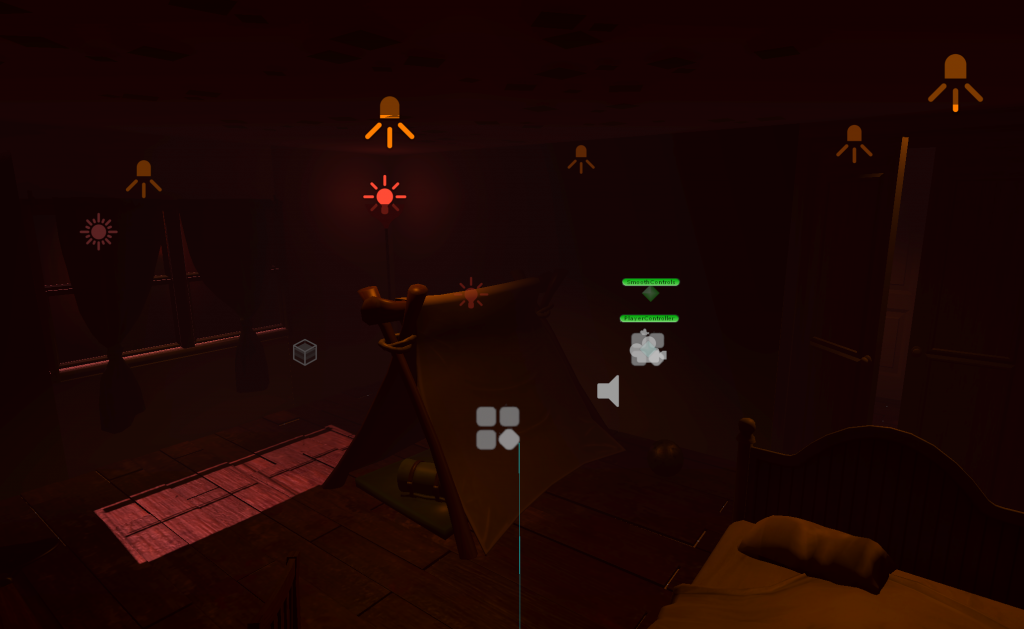
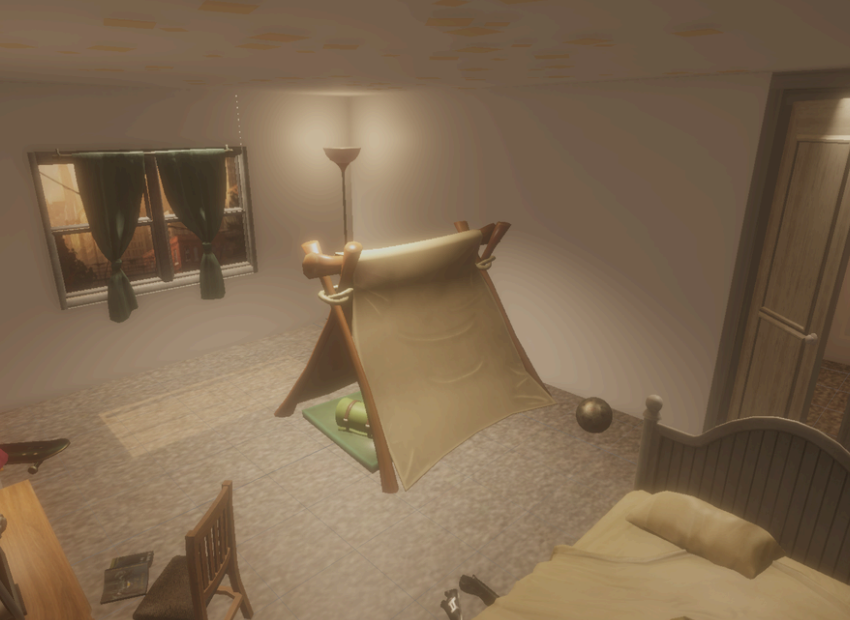
This week, I completed the lighting setup and the monster model animations. The lighting significantly enhances the horror atmosphere. For the monster, I have implemented idle and walking animations, and I plan to add attack animations in the later stage. I also rearranged the room structure to improve the overall layout and gameplay flow.
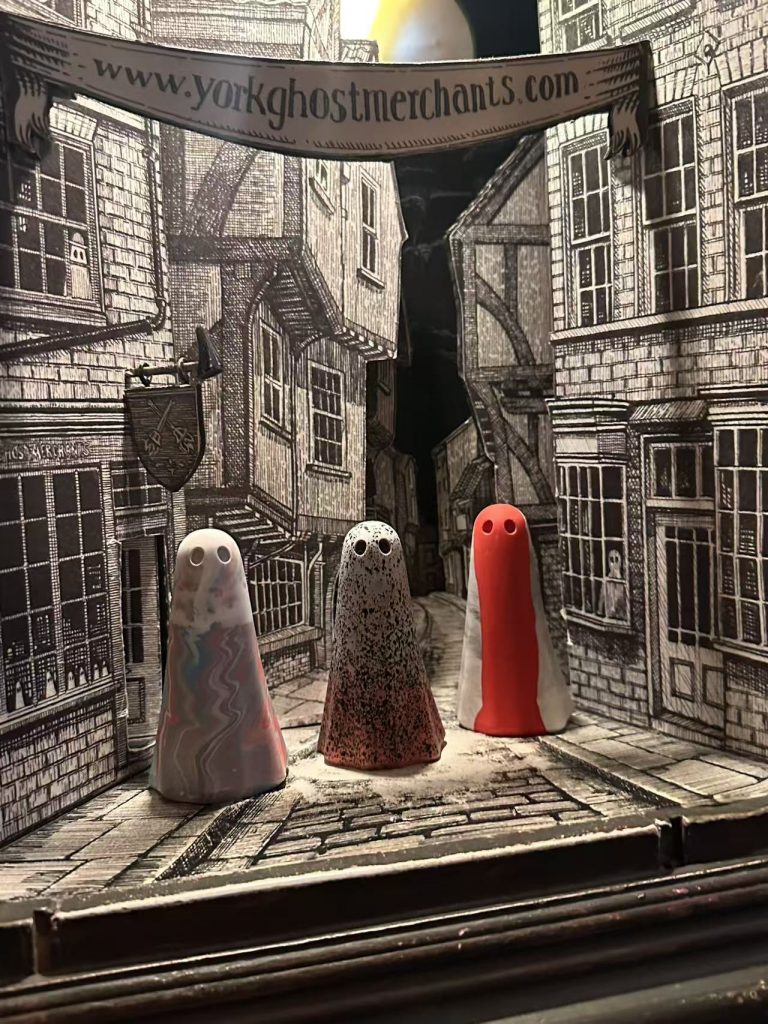
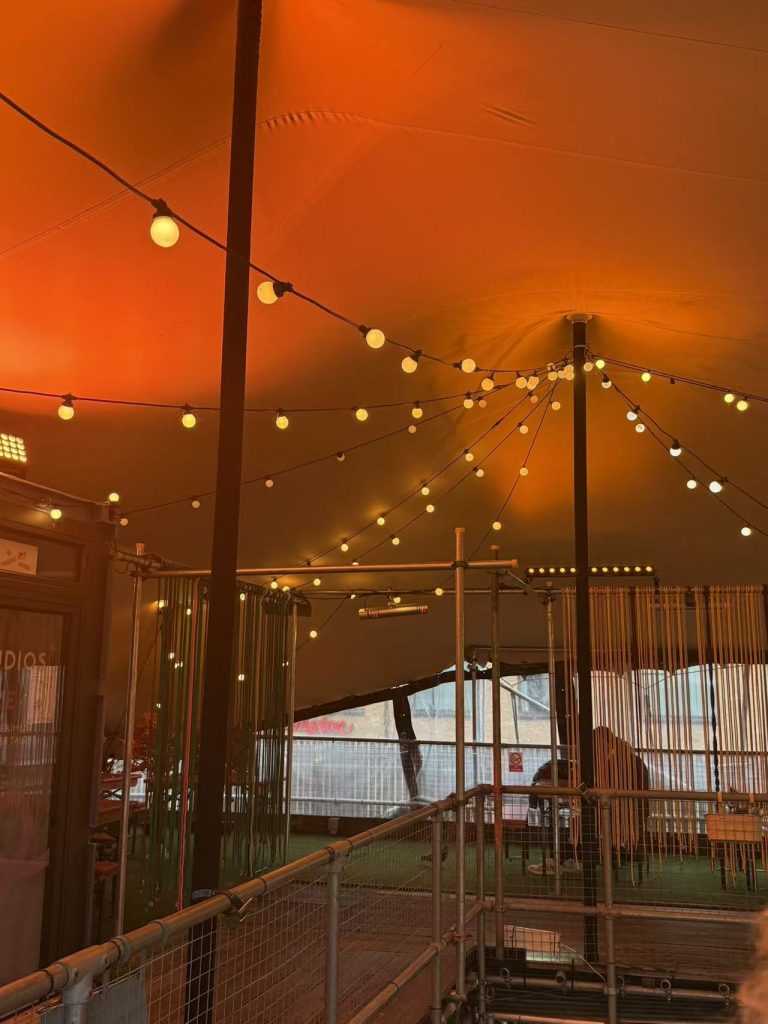
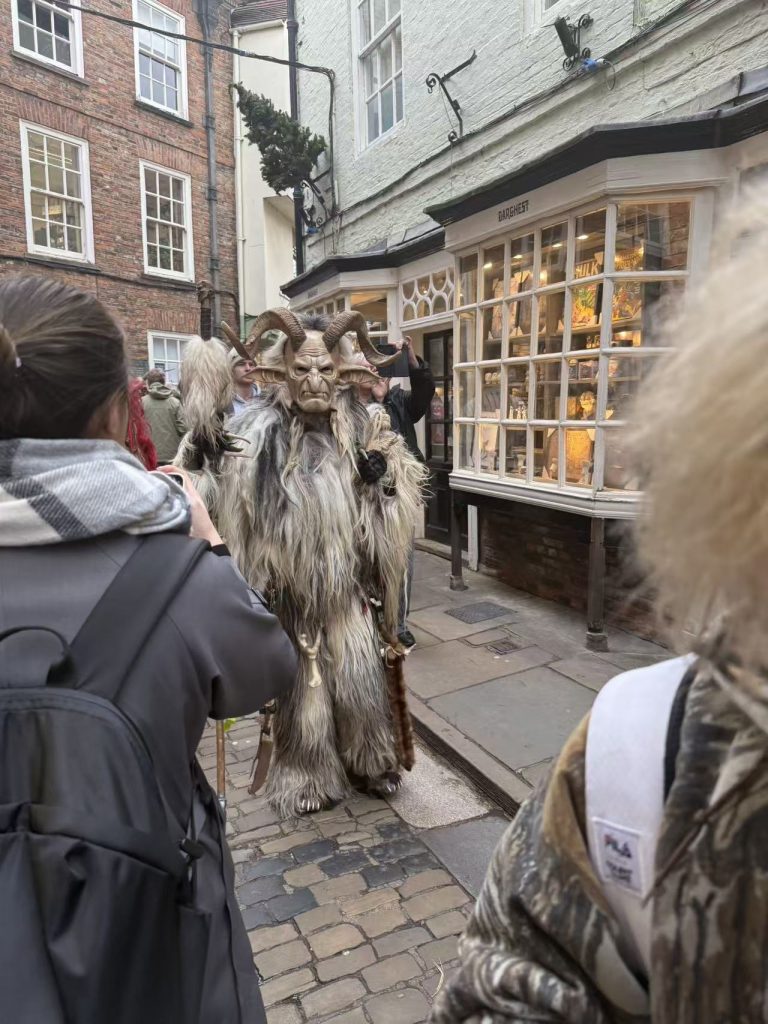
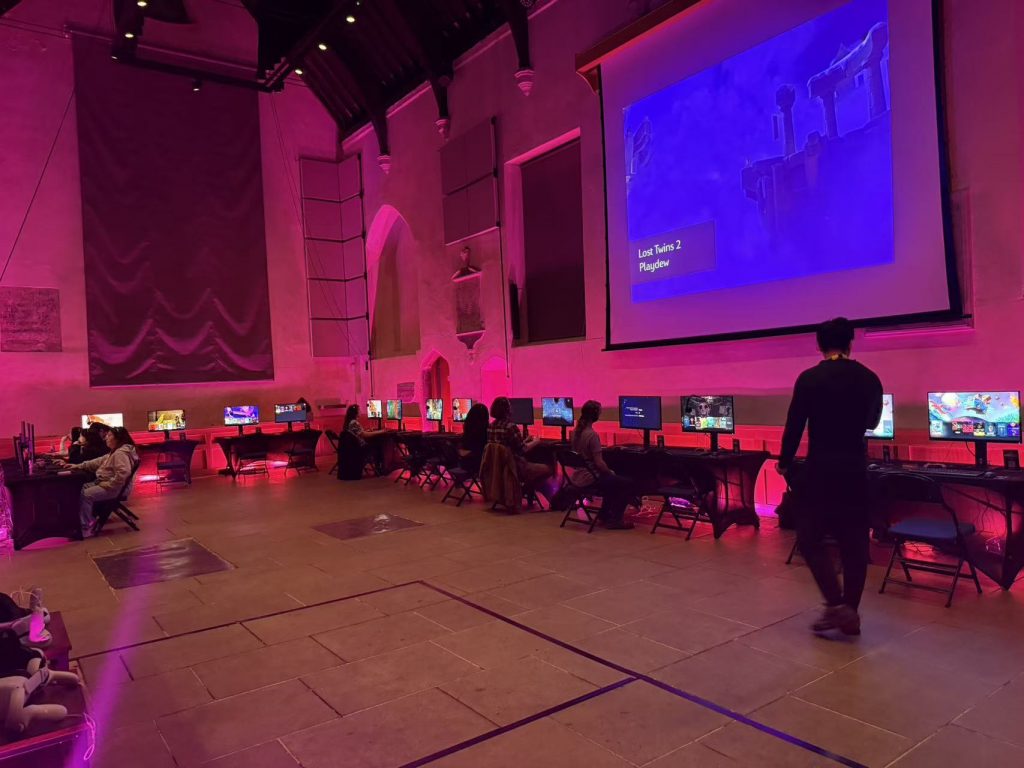
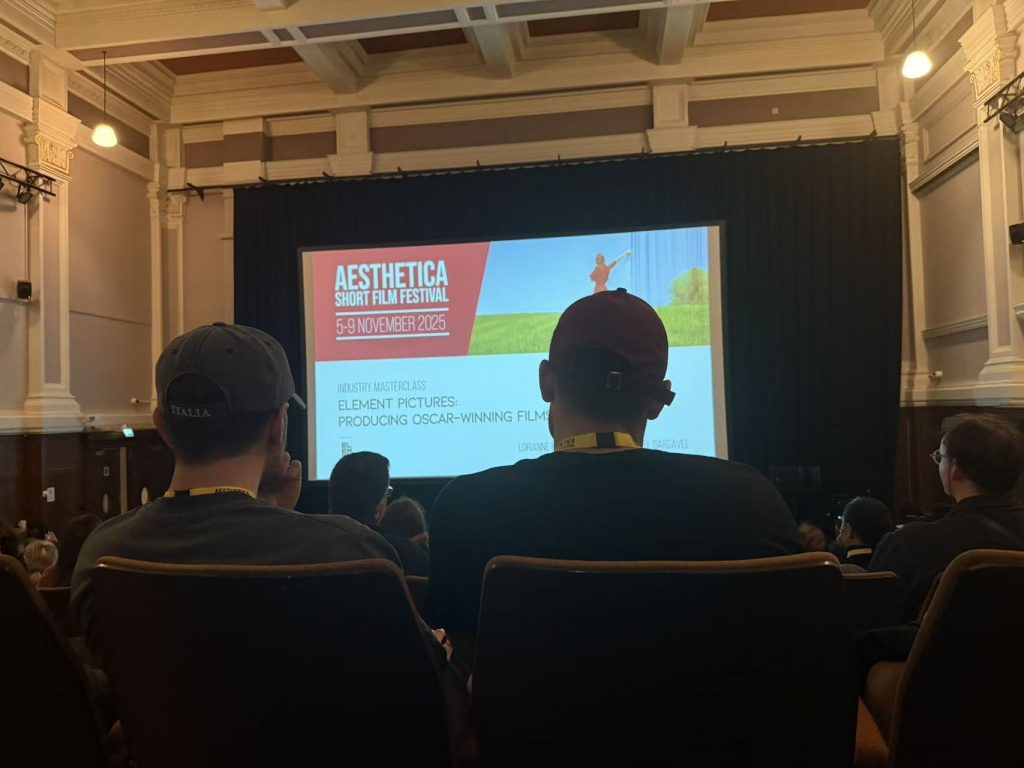
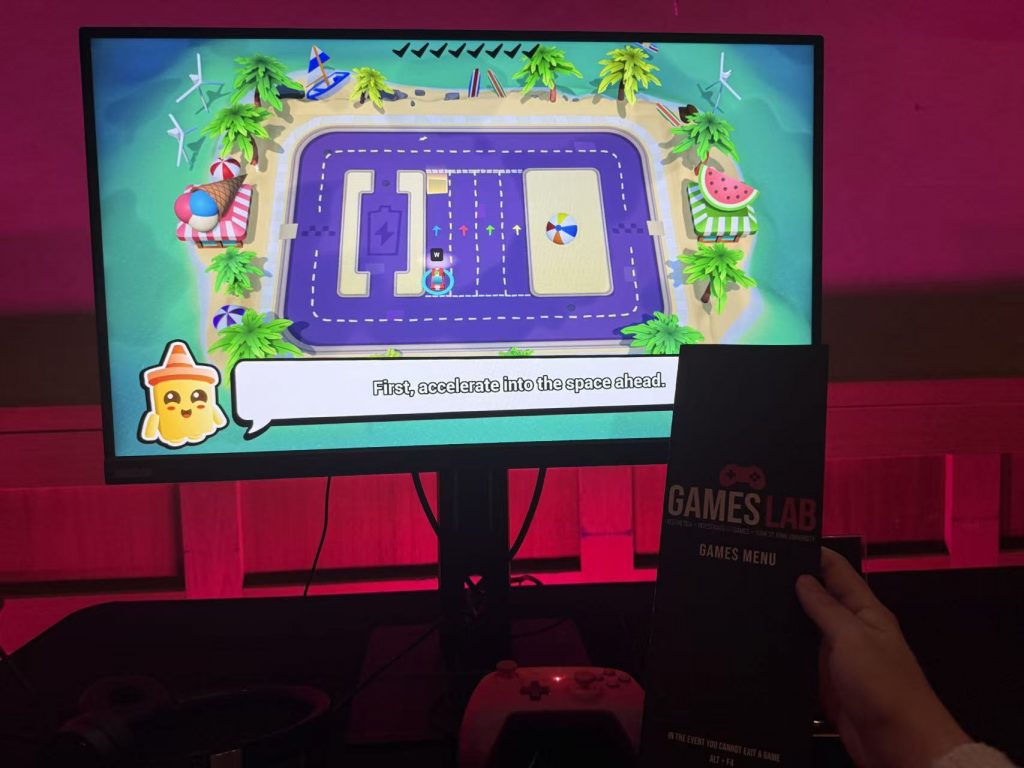
Week 7 focused on interactions, with the most significant experience being our trip to York for a film festival. During the festival, I had the opportunity to engage with a wide range of interactive games and immersive works, as well as watch several thought-provoking films. These experiences encouraged me to reflect on how interaction and narrative can be combined across different media.
Many of the games I experienced explored interaction not only as a mechanic, but as a way to shape emotional and spatial engagement. Similarly, the films demonstrated how atmosphere, pacing, and visual language can guide audience perception. Experiencing these works in a festival context helped me better understand how interaction design can extend beyond traditional gameplay structures.
In addition, I had the chance to speak with one of the festival participants and discuss topics related to game design and immersive cinema. Exchanging ideas about interaction, immersion, and audience experience was particularly valuable, as it connected theoretical concepts with real-world creative practice.
Overall, this week expanded my understanding of interaction as a core element in both games and immersive film. The festival experience reinforced the importance of designing interactions that are meaningful, experiential, and emotionally engaging, which will influence how I approach interaction design in future projects.
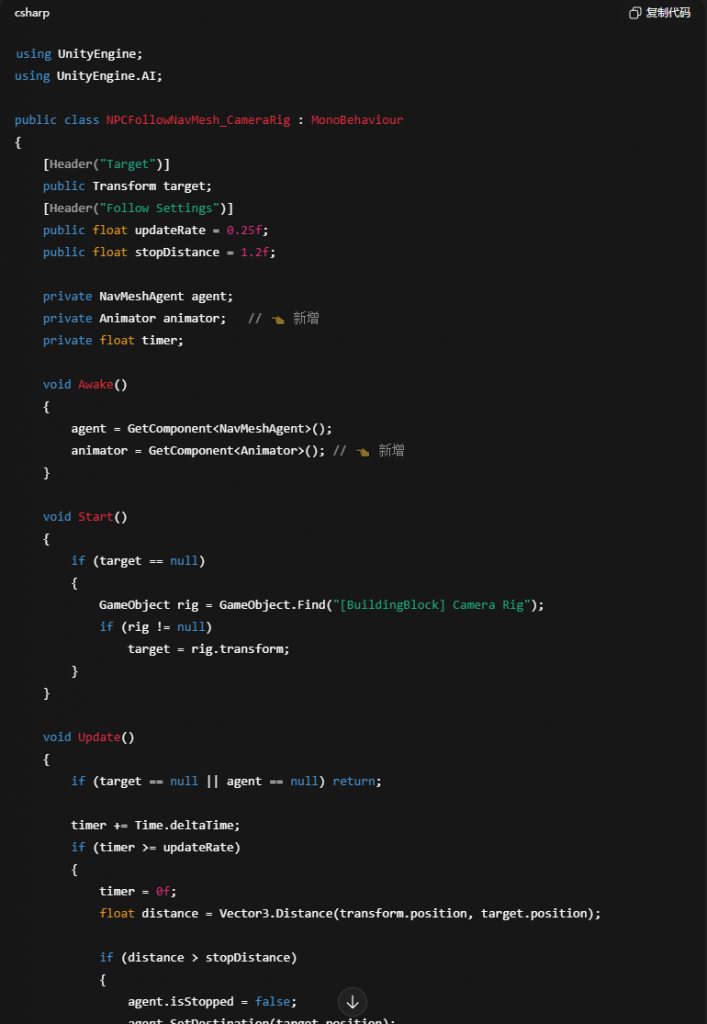
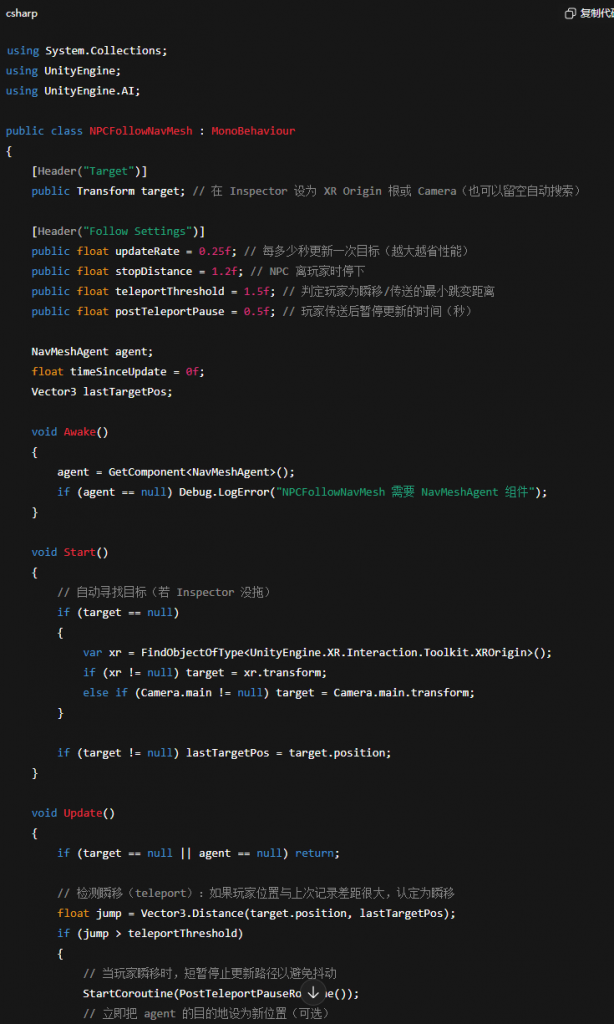
The sixth week of the course focused on the use of AI tools and basic programming. This week, I experimented with using AI to assist with simple coding exercises and completed several small but engaging projects, including an NPC following behaviour and a duck animation state transition experiment.
By using AI tools to support the coding process, I was able to understand logical structures and functional implementation more efficiently. For example, in the NPC-following exercise, I learned how basic conditional logic and position-based calculations can allow a non-player character to respond to the player’s movement. This process made me realise that AI can function not only as a code generator, but also as a learning aid that supports understanding of programming logic.
In the duck animation project, I used code to control transitions between different animation states. Although the implementation was relatively simple, the process helped me better understand the relationship between animation systems and program logic. It also highlighted the enjoyment of driving character behaviour through code. Overall, while this week focused on foundational exercises, working with AI-assisted programming gave me a more direct understanding of the relationship between technology, automation, and creative practice, and provided a solid basis for developing more complex interactions and game mechanics in the future.
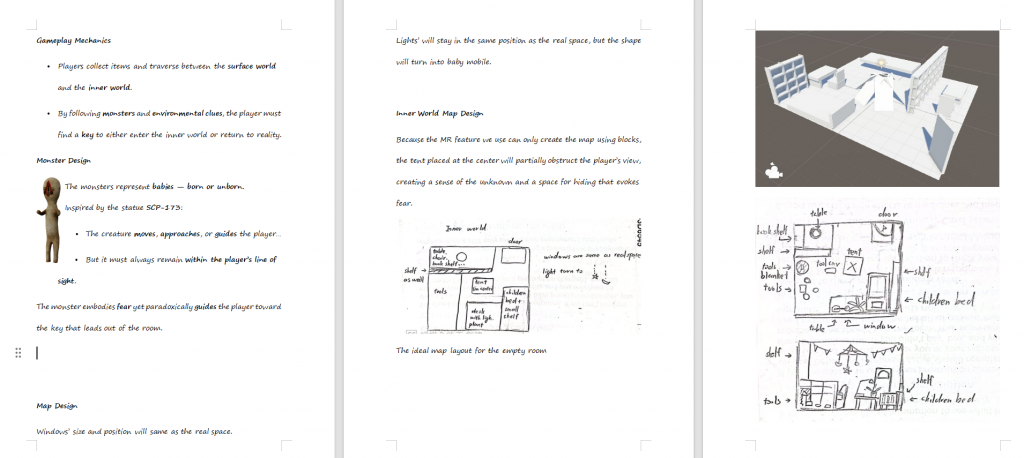
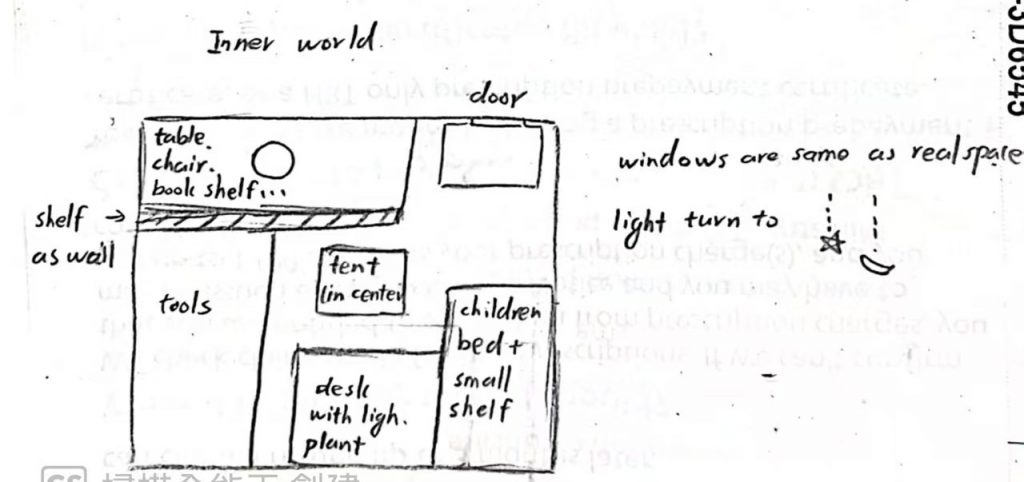
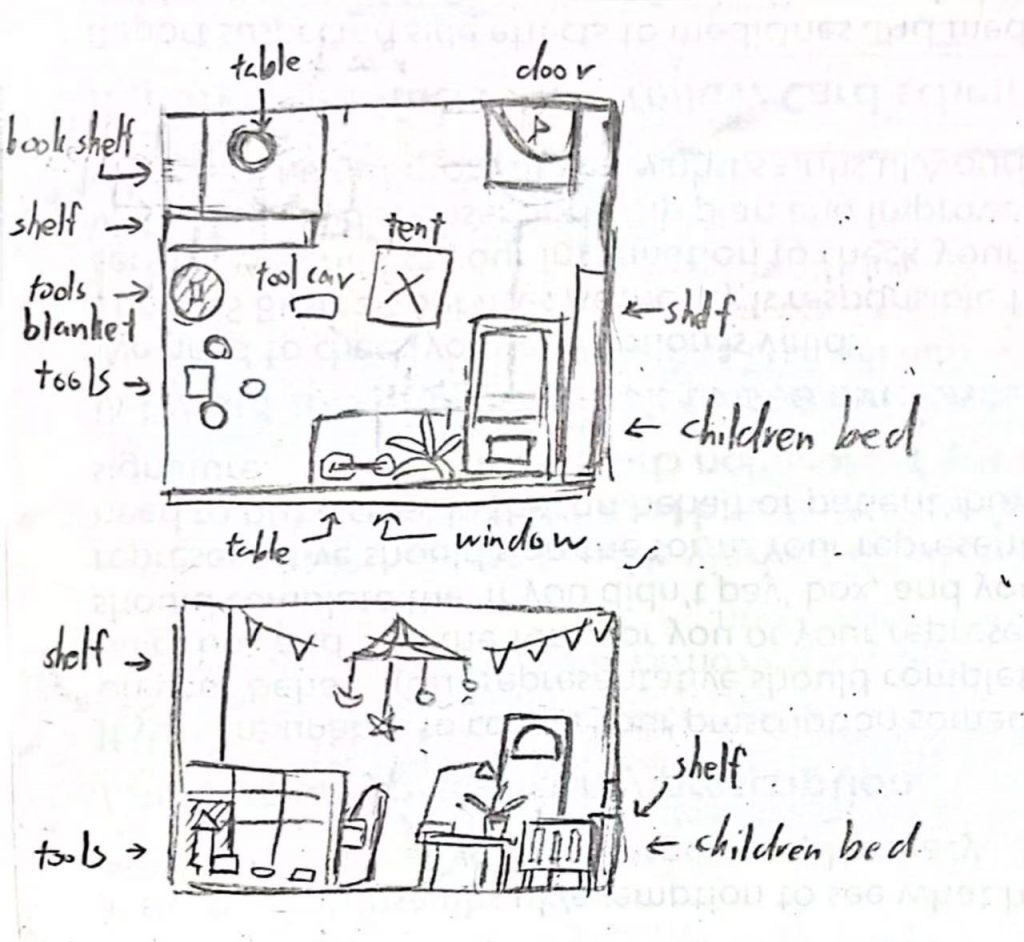
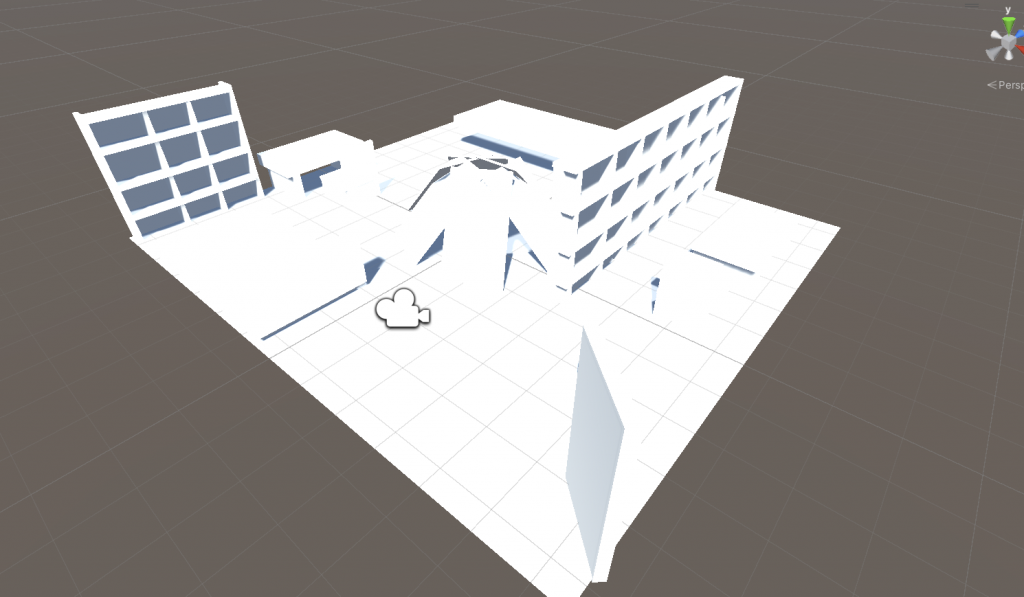
This week, we completed the whitebox level design and developed an initial version of the art-based level design. At the same time, the programming work has progressed, with the puzzle mechanics currently being implemented. Through continuous testing and iteration in Unity, I gained a deeper understanding of how level design directly shapes player experience.
During this week’s tutorial, the feedback helped me better understand key principles of level design, especially in the context of a horror game. For example, we realised that our bedroom level should not be fully visible at a glance, as clear and open visibility reduces tension and a sense of the unknown. By adjusting the spatial layout, sightlines, and player movement, we began to design the space to encourage exploration and psychological unease.
In addition, the tutorial made me reflect on the use of visual effects. I learned that particle effects are not always necessary and can sometimes distract from the intended atmosphere. As a result, we decided to remove certain effects and focus more on space, lighting, and pacing to strengthen the horror experience.
Overall, this tutorial shifted my understanding of level design from simply building environments to designing emotional and experiential outcomes, which has been especially valuable for the development of our horror game.
The third week of the course focused onlevel design, VR development in Unity using the Meta All-in-One SDK, and the basic concepts of motion capture (Mocap).
In the Unity VR sessions, I gained an initial understanding of the role of the Meta All-in-One SDK in VR development. I found it particularly convenient, as many core functions and features can be implemented efficiently using the built-in tools provided by the SDK.
This week also introduced the fundamental principles and applications of motion capture. I had the opportunity to visit a motion capture studio and experience the workflow firsthand, which I found very engaging and insightful.
In terms of level design, we also made several improvements to our own project. Applying the concepts learned in class helped us refine the structure and flow of our levels, and better consider how spatial design can shape the player’s experience.
In addition, I created a simple setup in Unity where a bot character uses navigation and pathfinding to move within the environment, which helped me understand how AI-controlled characters can navigate and respond to level layouts.